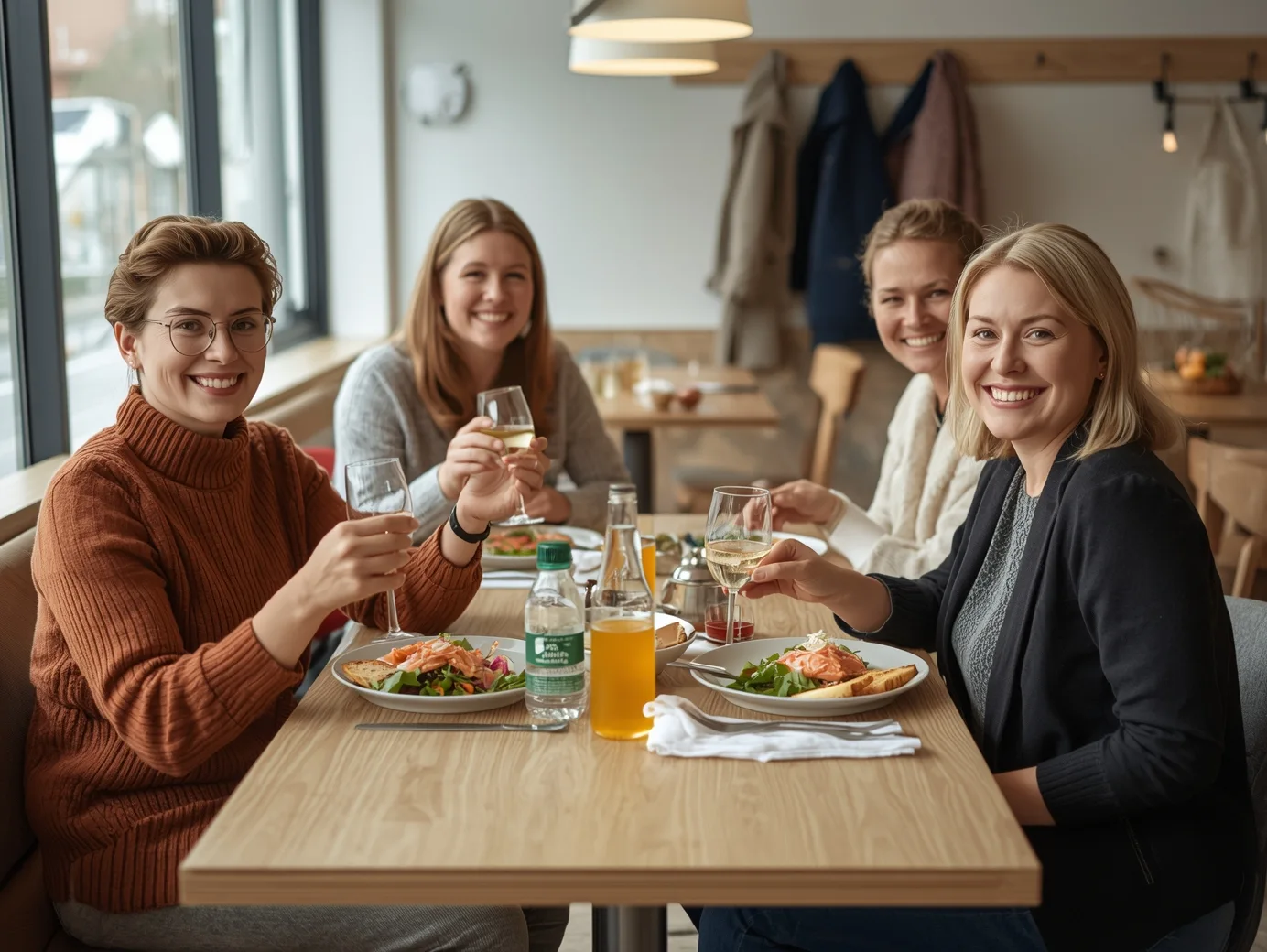

Picture this: it’s 11:47 a.m., your calendar is a grid of meetings, your stomach is already negotiating, and your phone lights up with a message that’s oddly simple—“Want to join for lunch? My treat.”
In Sweden, that moment can carry a special kind of warmth. Not loud. Not showy. Just quietly generous. And if you’ve ever wondered why a lunch invite can feel like a tiny life upgrade, you’re about to get it.
Quick Answer:
Bjudlunch is a Swedish-style “invitation lunch” where someone hosts by treating others to lunch—often as a friendly gesture, a workplace bridge-builder, or a low-pressure way to connect. It matters because it turns an ordinary meal into social glue, with simple rules that make everyone feel comfortable.
Key Takeaways
- Bjudlunch is a lunch invite where the host treats (or clearly defines the plan).
- It’s popular in Sweden because it’s friendly, practical, and not overly formal.
- In 2026, it’s a smart way to build real connection—socially and professionally.
- Clear communication (time, place, who pays) is the golden rule.
- Great hosting is about making people feel at ease, not spending big.
At-a-Glance: Bjudlunch Basics
- Where it’s common: Sweden, especially in workplaces and social circles
- What it is: A hosted lunch invite—often “my treat,” sometimes pre-agreed split
- Typical duration: 45–90 minutes (workday friendly)
- Common settings: Office lunch spots, casual cafés, home lunch, special occasions
- Main purpose: Social connection, welcoming, gratitude, networking
- Best vibe: Relaxed, thoughtful, easy to say yes to
What Bjudlunch Means
Bjudlunch is best understood as an invitation lunch with a host. In everyday terms: someone invites, takes the lead on the plan, and often pays—because they want to share a meal as a gesture of welcome, appreciation, or simply “let’s catch up.”
In Swedish lunch culture, this kind of invite can be a subtle social signal: I’d like to know you better, and I’m making it easy. It’s not a dramatic grand gesture. It’s more like offering someone a warm seat near the window on a grey day.
A useful way to remember it: Bjudlunch = lunch + intention.
You’re not just eating. You’re connecting—without making it a big deal.
Why Bjudlunch Feels So Powerful in 2026
Social benefits
In 2026, people are busy in a new way—more messages, more schedules, more “we should totally meet sometime” that never becomes a real plan. Bjudlunch solves that by being:
- Specific: a time and place, not a vague intention
- Simple: lunch is already part of the day
- Comfortable: no “big night out” energy required
It’s also a gentle antidote to social drift. You don’t need a milestone or a celebration. You can host because you want to keep the human part of life alive—one meal at a time.
And in Sweden, where personal space is respected, Bjudlunch hits a sweet spot: friendly, but not intrusive.
Professional/networking benefits
Let’s be honest: networking can feel like wearing shoes that are slightly too tight. Bjudlunch is the comfy sneaker version.
A lunch invite works well in Swedish workplace culture because it’s:
- Low pressure: you can talk work, life, or both
- Time-bounded: it has a natural start and finish
- Equalizing: the table flattens hierarchies (at least a little)
It’s also a great way to welcome a new colleague, thank someone for help, or build a bridge between teams. In many offices, lunch is where real information travels—what’s changing, who’s working on what, and how people are actually doing.
Bjudlunch Etiquette (Do’s & Don’ts)
Hosting in Sweden doesn’t require fancy rules. But it does reward clarity and consideration. Think: calm confidence, not complicated planning.
Do’s
- Be clear about the plan: time, place, and whether it’s your treat
- Pick an easy location: close to work or transit-friendly
- Ask about dietary needs: a simple “Any allergies or preferences?” goes far
- Keep it comfortable: conversation should feel natural, not like an interview
- Offer a graceful exit: “No worries if today’s hectic—another time works too.”
Don’ts
- Don’t make people guess the payment situation
- Don’t choose a spot that’s awkwardly expensive unless it’s truly a special occasion
- Don’t dominate the conversation (hosting isn’t performing)
- Don’t turn it into a surprise meeting with an agenda ambush
- Don’t take a “no” personally—Swedes protect their calendars like a national treasure
Quick Checklist
- I sent time + place + duration
- I clarified who pays
- I asked about dietary needs
- I chose a calm, easy venue
- I have 2–3 light conversation starters
- I’ll keep it within the promised time
Bjudlunch Ideas You Can Try This Week
You don’t need a big reason to host. You just need a good moment. Here are practical ideas that work in Sweden, in workplaces, and in everyday life:
- New colleague welcome lunch (small group, relaxed)
- “Thank you” lunch for someone who helped you recently
- Cross-team lunch to meet people you always email but never see
- Mentor-mini lunch: 45 minutes with one question you genuinely want advice on
- Walking-to-lunch combo: meet outside, short walk, then eat
- Budget-friendly soup-and-sandwich lunch: simple, cozy, no fuss
- Homemade lunch invite: bring packed lunches and eat together in a common area
- Theme lunch: “Sweden favorites” or “bring your comfort food pick”
- Introvert-friendly lunch: two people, quiet café, earlier time slot
- Celebration lunch (small win): project milestone, birthday week, first snow day—why not
- Networking lunch with a purpose: “I’d love to hear what your team’s working on”
- Recovery lunch: after a tough week, invite someone for a reset meal
Small tip: If you’re inviting someone new, offer two time options. It makes saying yes much easier.
Bjudlunch: Casual vs Workplace vs Formal
Here’s a simple way to choose the right style without overthinking it.
| Setting | Who invites | Budget | Vibe | Tips |
| Casual | Friend, neighbor, classmate | Low–Medium | Easy, chatty, unstructured | Choose a familiar café; keep it flexible |
| Workplace | Colleague, manager, teammate | Low–Medium | Friendly-professional | Clarify time limit; avoid ultra-pricey spots |
| Formal | Client host, senior leader, special occasion | Medium–High | Polished, planned | Book ahead; consider dietary needs carefully |
FAQ
What does Bjudlunch mean in Sweden?
Bjudlunch refers to an invitation lunch where someone hosts the outing—often by treating others to lunch. It’s a friendly, practical way to connect without making it overly formal.
Is Bjudlunch always paid by the person who invites?
Often, yes—especially if the invite clearly implies “my treat.” But it can also be a hosted plan with a pre-agreed split, as long as it’s communicated upfront so nobody feels awkward.
Is Bjudlunch common in Swedish workplaces?
Yes. In many Swedish offices, lunch is a natural time to build trust and collaboration. Bjudlunch can be used to welcome new colleagues, thank someone, or connect across teams.
How do I invite someone to a Bjudlunch without sounding too formal?
Keep it simple and specific: “Want to join for lunch on Thursday? I’ll treat.” Add an easy out: “No worries if you’re busy—another day works.”
What’s the biggest etiquette mistake people make with Bjudlunch?
The biggest misstep is leaving the payment situation unclear. If you invite, either treat or explicitly propose the plan (split bill, set budget, etc.) before you meet.
What should we talk about at a Bjudlunch?
Aim for light, welcoming topics: weekend plans, food favorites, Sweden travel spots, or what someone’s working on (without turning it into a meeting). A good host balances curiosity with breathing room.
Can Bjudlunch be used for networking in 2026?
Absolutely. It’s one of the least awkward networking formats because lunch is normal and time-limited. It’s relationship-first, which tends to work better than pitch-first.
What if someone declines a Bjudlunch invite?
Assume it’s scheduling, not personal. A calm reply like “All good—want to try next week?” keeps the door open and respects Swedish calendar realities.
Glossary
- Bjudlunch: A hosted lunch invite, often with the host paying or guiding the plan clearly.
- Workplace lunch culture: The everyday lunch habits in offices—often structured, time-aware, and socially meaningful.
- Hosting etiquette: The simple behaviors that make guests feel comfortable (clarity, consideration, calm).
- Invitation lunch: A lunch meeting prompted by one person with a clear purpose—connection, welcome, thanks, or networking.
- Social connection: The feeling of belonging created through small, repeated interactions like shared meals.
- Networking: Building professional relationships through conversation and trust, often outside formal meetings.
- Fika: A Swedish coffee break culture (often with something sweet) that complements, but doesn’t replace, lunch invites.
Conclusion
A good Bjudlunch isn’t about perfect planning or perfect conversation. It’s about making connection easy. A clear invite, a comfortable spot, a meal that fits the moment—and a little generosity that says, “You matter enough to share a table with.”
If you’re craving more culture you can actually use—Sweden, social life, modern etiquette, and the small habits that make days feel better—explore ScopMagazine for more practical reads that stick with you long