
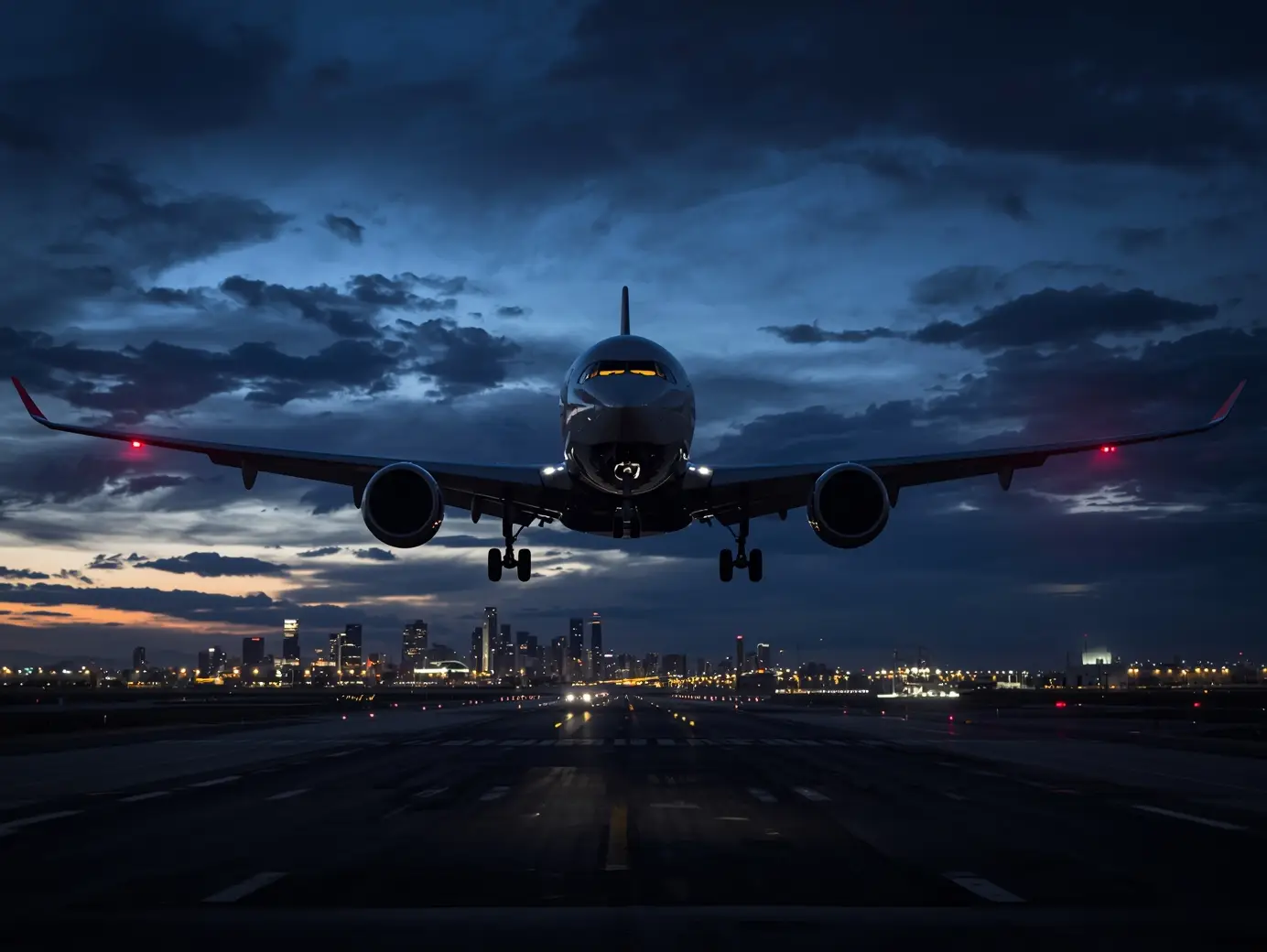

When Delta Flight DL275 diverted to LAX, it quickly caught attention because it involved a long-haul international route, a mid-air system concern, and a precautionary landing at one of the busiest airports in the United States. Multiple secondary reports agree on the core facts: the flight was operating from Detroit to Tokyo Haneda, the aircraft was an Airbus A350-900, and the diversion followed a reported issue linked to the engine anti-ice system. All passengers and crew were reported safe after landing.
For readers trying to understand the story without the noise, this was not a crash or a disaster headline. It was a safety-driven operational decision. And in modern aviation, that distinction matters.
Scop Magazine readers looking for a clean explainer will find that the most important takeaway is simple: the crew appears to have treated a potentially serious technical issue with caution, chose a major diversion airport, and brought the flight down safely.
Summary Box
Flight: Delta Air Lines DL275
Route: Detroit Metropolitan Wayne County Airport (DTW) to Tokyo Haneda (HND)
Aircraft: Airbus A350-900
Diversion Airport: Los Angeles International Airport (LAX)
Reported Reason: Possible engine anti-ice system issue
Outcome: Safe landing, no injuries reported
Why it matters: It shows how airlines and crews respond when a technical concern appears mid-flight.
Delta Flight DL275 Diverted to LAX after the crew reportedly identified a possible engine anti-ice system problem during the Detroit-to-Tokyo flight. The aircraft landed safely in Los Angeles, and no injuries were reported. The diversion mattered because it showed a precaution-first response to a technical issue on a long-haul international route.
Key Takeaways
- Delta Flight DL275 was flying from Detroit to Tokyo Haneda.
- The aircraft was widely reported as an Airbus A350-900.
- The diversion was linked in secondary reporting to a possible engine anti-ice system fault.
- The flight landed safely at LAX, with no injuries reported.
- The story matters because precautionary diversions are a visible example of aviation safety systems working as intended.
Delta Flight DL275 Diverted to LAX: What Happened
The most consistent version of events is that DL275 departed Detroit for Tokyo and later diverted to Los Angeles after a mid-flight technical concern involving the engine anti-ice system was detected or suspected. Reports place the aircraft at cruising altitude over a remote part of the route when the issue emerged. That is important context, because transpacific flights do not treat engine-related alerts casually, especially when the aircraft is operating far from its original departure point and still has a long overwater segment ahead.
Some published accounts differ on smaller details, including the exact landing time at LAX. One report says 1:38 a.m. PDT, while another says 1:08 a.m. PDT. Because of that mismatch, it is better to state only what appears consistently supported: the plane diverted to Los Angeles and landed safely after an extended flight.
Why readers searched for this so heavily
Stories like this spread quickly because they combine three things people instantly react to:
- a recognizable airline
- a long international route
- the phrase “diverted to LAX,” which sounds dramatic even when the outcome is controlled
That is also why the anchor phrase Delta Flight DL275 Diverted to LAX gained traction so fast online: people wanted a plain-English answer, not aviation jargon.
Why a Diversion to LAX Makes Sense
To casual readers, the obvious question is: why Los Angeles?
On the surface, it may seem strange that a Detroit-to-Tokyo flight ended up in Southern California. But from an operational standpoint, a large airport like LAX can be a practical and conservative choice. Reports describing the diversion point suggest the flight was already well into its westbound journey, making a return to Detroit less appealing than choosing a major airport with long runways, strong maintenance support, emergency readiness, and more rebooking options for passengers.
Operational logic behind the choice
A hub-scale airport can offer:
- runway capacity for a heavy long-haul aircraft
- maintenance and engineering access
- stronger passenger handling and onward travel options
- faster coordination if inspections are needed
Several secondary reports specifically frame LAX as the safest and most workable option under the circumstances.
What Is an Engine Anti-Ice System?
An engine anti-ice system helps prevent ice buildup in critical engine areas during flight in cold, high-altitude conditions. When a possible anti-ice issue appears on a long-haul route, crews do not simply “wait and see.” They evaluate the alert, the route ahead, airport options, fuel, weather, support infrastructure, and the broader safety margin. That is why a diversion can be the smartest move even when the plane is still flying normally.
For general readers, the key point is this: a diversion does not automatically mean catastrophe. Often, it means the opposite. It means the system, crew, and procedures did exactly what they were supposed to do.
Facts at a Glance
| Question | Quick Answer |
| What was DL275’s route? | Detroit (DTW) to Tokyo Haneda (HND) |
| Where did it divert? | Los Angeles International Airport (LAX) |
| What aircraft was involved? | Airbus A350-900 |
| What issue was reported? | A possible engine anti-ice system problem |
| Was anyone hurt? | No injuries were reported |
| Why is the story important? | It shows how precautionary aviation safety decisions work in real time. (The Tundra Drums) |
Why This Event Matters Beyond One Flight
This story matters because it shows the part of aviation the public does not always see: a huge amount of airline safety is about early decisions, not last-second heroics.
When a crew chooses to divert after a possible mechanical concern, that can be frustrating for passengers, expensive for the airline, and logistically messy. But it is also a sign that the industry would rather absorb disruption than gamble with a long-range flight over remote airspace. That is a reassuring message, even if it does not feel convenient in the moment.
H3: The passenger side of the story
For travelers, diversions can mean:
- missed onward connections
- overnight delays
- hotel and meal arrangements
- uncertainty about rebooking
- stress around timing and baggage
Secondary reports say Delta arranged assistance for affected passengers after the safe landing in Los Angeles. Specific passenger counts and compensation details vary by source, so those points should be treated carefully unless confirmed directly by the airline.
A Good Reminder About How Airline Safety Works
Commercial aviation is built around layers of caution. A possible system issue does not need to become an actual in-flight emergency before action is taken. That is one reason diversions can look dramatic in headlines but still represent a successful safety outcome in practice.
A useful way to read this story is not “something went terribly wrong,” but “a system concern triggered a conservative response, and the response worked.” That is the kind of plain-language framing that both search readers and answer engines are looking for.
What We Know, What We Don’t, and Why That Matters
A trustworthy explainer should separate broadly repeated facts from claims that are still soft.
What appears consistently reported
- DL275 was operating from Detroit to Tokyo Haneda.
- The aircraft was an Airbus A350-900.
- The flight diverted to LAX.
- The reported trigger was a possible engine anti-ice system issue.
- The plane landed safely and no injuries were reported.
What should be treated cautiously
- the exact landing time
- exact cost estimates
- highly specific maintenance claims
- Speculative claims about AI preventing the incident
Some articles attach precise dollar figures or broader technology claims to the story, but those details are not solid enough to present as confirmed fact without a stronger primary source.
What Readers Usually Want to Know Next
After a story like this, readers tend to ask the same practical questions:
Was it an emergency landing?
It was widely described as a diversion prompted by a safety concern. In plain terms, the crew chose to land at LAX because continuing the trip was not the preferred option after the reported issue.
Did the plane crash or suffer injuries?
No. Reports consistently say the aircraft landed safely and there were no injuries reported.
Was LAX chosen at random?
No. The available reporting suggests LAX made sense as a large, capable airport with the right infrastructure and passenger recovery options.
FAQ
Why was Delta Flight DL275 diverted to LAX?
Delta Flight DL275 was reportedly diverted to LAX because of a possible engine anti-ice system issue during the Detroit-to-Tokyo flight.
Was anyone injured on Delta Flight DL275?
No injuries were reported after the aircraft landed safely in Los Angeles.
What kind of plane was involved?
Secondary reports identify the aircraft as an Airbus A350-900.
Why is an anti-ice issue taken seriously?
Because anti-ice systems help protect critical engine functions in cold, high-altitude conditions, especially on long-haul routes.
Why did the flight go to LAX instead of continuing to Tokyo?
Based on published reports, LAX offered a practical balance of safety, airport capability, maintenance access, and passenger support.
Conclusion
The clearest way to understand Delta Flight DL275 Diverted to LAX is this: a long-haul international flight encountered a reported technical concern, the crew responded conservatively, and the aircraft landed safely with no reported injuries. That is why the story drew so much attention, and it is also why it matters. Behind the headline, this looks less like chaos and more like aviation safety working the way it should.
For Scop Magazine, that is the real editorial angle worth keeping: not just what happened, but what the event tells readers about trust, caution, and decision-making at 38,000 feet.