
There’s a certain kind of pause that doesn’t feel like “doing nothing.” It feels like coming back to yourself.
Maybe you’ve felt it in the corner seat of a café, the far end of a family gathering, or that one spot at home where the light hits just right. In Filipino culture, there’s a word that captures this beautifully: sulasok—a tucked-away corner, a small refuge, a private pocket of calm.
And in 2026’s always-on world, that idea isn’t just poetic. It’s practical.
Quick Answer
Sulasok refers to a quiet corner or tucked-away space—physical or emotional—where you can step aside, breathe, and reset. It matters today because modern life is noisy, crowded, and constant, and we all need simple ways to protect personal space and make room for reflection.
Meaning of sulasok
At its heart, sulasok points to a corner—often the kind you slip into when you want a little distance from the center of things. In everyday Filipino usage, it can describe a literal nook (like a corner of a room) or a more subtle sense of being “off to the side,” away from attention.
Think of it as:
- A quiet corner where you can gather your thoughts
- A pause that doesn’t require permission
- A small act of stillness inside busy surroundings
- A form of personal space, even when space is limited
What makes the word special is its emotional texture. It doesn’t just describe geometry. It describes a feeling: the relief of stepping out of the stream for a moment—without fully leaving.
If you want a deeper cultural dive and more reflections on the term, you can explore sulasok (https://sulasok.blog/).
Why sulasok resonates today
The modern world has a talent for filling every gap. Notifications rush in. Schedules stack up. Even our downtime can start to feel like a task list wearing pajamas. The idea of sulasok resonates because it offers something small but powerful: a return to center.
In a noisy world
Noise isn’t only sound. It’s also:
- Endless updates
- Group chats that never sleep
- Open-plan everything
- Pressure to be available, responsive, “on”
A sulasok moment helps you lower the volume—externally and internally. It can be as simple as choosing a seat that faces the wall instead of the crowd, or taking a slow breath before you reply to a message. It’s not avoidance. It’s regulation.
And here’s the underrated truth: stillness isn’t laziness. Stillness is maintenance.
In modern homes and digital life
Not everyone has a spare room, a backyard, or the luxury of silence. Many people share spaces, share devices, and share bandwidth—literally and emotionally. That’s why sulasok can be incredibly modern: it works in small apartments, busy households, and full calendars.
In digital life, sulasok might look like:
- Muting non-urgent notifications for a few hours
- Creating a “quiet folder” of apps you only open intentionally
- Leaving voice notes for later, instead of replying instantly
- Choosing one screen-free corner of your day
In other words, sulasok isn’t only a place. It can be a practice—a boundary you can carry.
Practical ways to create your own sulasok
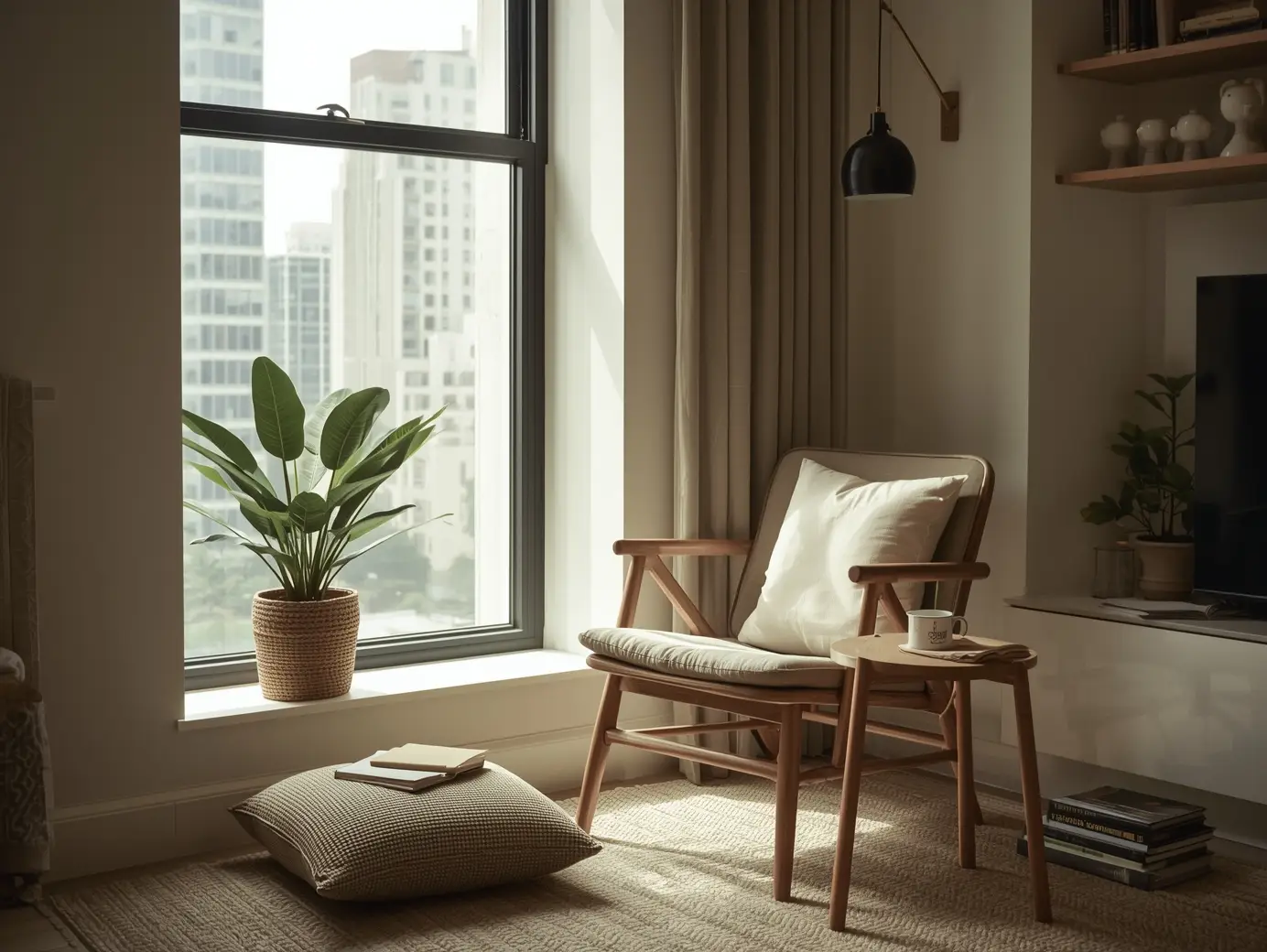
You don’t need to redecorate your whole life. Start small and treat it like setting a chair by a window: simple, intentional, welcoming.
Here are practical ways to build a sulasok in your day—without making it complicated.
A quick checklist you can actually use
- Pick a consistent spot: a chair, a step, a balcony edge, a corner of your bed. Familiarity makes it easier to settle.
- Add one calming cue: a lamp, a plant, a notebook, a mug, a small object with meaning.
- Set a gentle rule: “No scrolling here,” or “Only music, no news.”
- Use time boundaries: 5 minutes counts. So does 12. Keep it realistic.
- Protect it socially: let family or roommates know it’s your reset corner, not your “available corner.”
- Pair it with a ritual: breathing, stretching, prayer, journaling, or simply staring out the window.
- Make it portable: if you can’t have a place, have a practice (headphones, a short walk, a single page of reading).
If you want an easy starting plan, try this numbered routine for one week:
- Choose your corner (even if it’s just “the far end of the couch”).
- Spend 7 minutes there each day with no input—no feeds, no headlines.
- Ask one question: “What do I need right now?”
- Do one small thing that answers it (water, stretch, message a friend, rest).
That’s it. The point is not to become a monk. The point is to become present.
sulasok across everyday life
This concept isn’t precious. It’s everyday. It shows up in ordinary scenes—especially when life gets crowded.
Examples in real life
- Commute breathing space: You choose the last seat near the window and listen to one calm song, not ten loud ones.
- Workday micro-retreat: Between meetings, you step away from your desk, look outside, and let your shoulders drop for 90 seconds.
- Social gathering reset: At a party, you slip to the side for a quick drink of water and a quiet check-in with yourself.
- Home boundary: You claim one small spot as your “no-discussion zone”—a place where conflict doesn’t follow you.
- Creative corner: You keep a notebook in a drawer and write three lines when your mind feels full.
- Digital stillness: You set your phone to grayscale at night so your attention stops chasing bright icons.
Sulasok is less about disappearing and more about reappearing—more calmly.
Table section
Sometimes it helps to see where sulasok naturally fits in your routine. Here’s a quick guide you can borrow and customize.
| Where sulasok shows up | What it helps with | Simple action you can try today |
| A corner chair at home | Decompression, emotional reset | Sit for 8 minutes with a warm drink and no phone |
| A quiet hallway or stairwell | Quick stillness during busy moments | Take 5 slow breaths before returning to tasks |
| A morning routine nook | Clarity, intention-setting | Write one sentence: “Today, I want to feel…” |
| A parked car or transit seat | Transition time, stress relief | Listen to one calming track before you step out |
| A lunch break away from your desk | Mental separation, focus | Eat one meal without screens, even once a week |
| A “digital corner” on your phone | Personal space, attention control | Move social apps off the home screen for a day |
Common misconceptions
Sulasok is simple, but it’s easy to misunderstand—especially in cultures that reward constant output.
- “It’s the same as isolation.” Not quite. It’s a brief step aside, not a permanent retreat.
- “It’s only for introverts.” Everyone needs a reset—some people just take it in different ways.
- “You need a perfect space for it.” A sulasok can be a seat, a moment, or a boundary.
- “It’s selfish.” Protecting personal space often makes you kinder, not colder.
- “It has to be silent.” Quiet can mean fewer demands, not zero sound.
FAQ
What does sulasok mean?
Sulasok commonly refers to a tucked-away corner or secluded spot. It can be physical (a nook in a room) or emotional (a moment of privacy). The core idea is having a small refuge for reflection and calm.
Is sulasok a place or a feeling?
It can be both. Sometimes it’s a literal corner where you feel safe and unbothered. Other times it’s the feeling of stepping out of the spotlight to regain stillness.
How do I create a sulasok if I live with other people?
Start with a clear, gentle boundary—time-based or space-based. You might claim one chair for 10 minutes a day or take a short walk at a consistent hour. The goal is a repeatable pocket of personal space, not total privacy.
Can sulasok help with stress?
It can help you downshift, especially when you’re overstimulated. A short pause lowers the sense of urgency and gives you a moment to choose your next step instead of reacting. Think of it as emotional breathing room.
How is sulasok relevant in urban life?
Cities are full of movement, noise, and shared spaces. Sulasok fits urban reality because it doesn’t require a lot of room—just intention. It’s a way to find a quiet corner in the middle of crowded days.
What are simple sulasok habits I can try this week?
Try a five-minute phone-free pause after waking up, or a short reset before bed. You can also choose one “low-noise” activity daily—journaling, stretching, or sitting with a cup of tea. Small repetitions build a stronger sense of reflection over time.
Does sulasok connect to Filipino culture specifically?
Yes, it carries Filipino roots in language and everyday life, where homes and gatherings often involve shared space. The concept highlights how people carve out calm even when life is communal. It’s a culturally grounded idea that still translates globally.
Is sulasok the same as meditation?
Not necessarily. Meditation is a formal practice for many people; sulasok can be informal and spontaneous. It might include meditation, but it could also be a quiet pause, a calming corner, or a moment of intentional stillness.
Key Takeaways
- Sulasok is a tucked-away corner—literal or emotional—where you can reset.
- In a noisy world, small pauses protect your attention and mood.
- You don’t need a big home to create a quiet corner; you need a repeatable cue.
- Digital sulasok matters too: boundaries with screens are modern personal space.
- The practice supports reflection without requiring perfection or silence.
- Sulasok is not isolation—it’s a brief return to yourself.
- Cultural identity can live in everyday habits, not just big traditions.
Closing: A small corner can change a whole day
You don’t have to overhaul your life to feel more grounded. Sometimes the most powerful shift is the smallest one: a chair, a breath, a boundary, a moment of stillness.
If this idea sparked something in you, keep exploring the everyday language of calm, culture, and modern living—right here on ScopMagazine.