
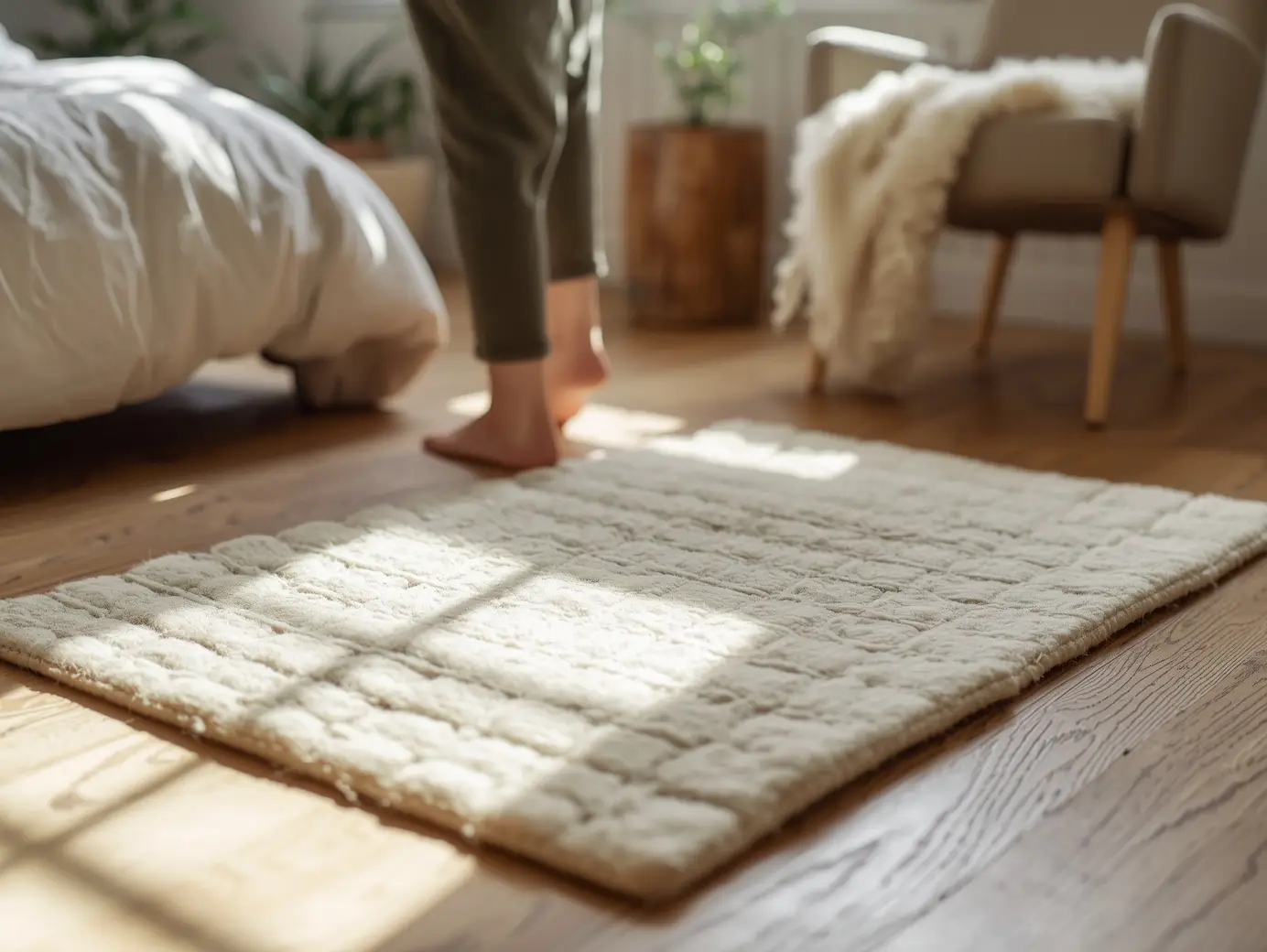

You know that feeling when you step out of bed, and your feet meet something that’s quietly comforting—warm, soft, and a little springy? Not plush like a shag rug, not cold like tile. More like a gentle “welcome back” from the floor itself.
That’s the charm of Wollmatten. They don’t just sit there looking nice. They work—as everyday comfort, as insulation, as a small piece of craftsmanship you can actually use.
And unlike a lot of home trends that flare up and fade out, wool mats have a long memory. They’ve been made (and remade) in different regions for generations, shaped by weather, sheep breeds, and practical living.
What are Wollmatten?
Wollmatten are wool mats made from natural sheep’s wool, typically created by felting, weaving, or knotting wool fibers into a dense, durable surface. They’re used as floor mats, bedside mats, chair pads, yoga/meditation mats, and cozy layers in living spaces. Many feel warm and slightly cushioned, resist light dirt, and can last for years with simple care.
Key Takeaways
- Wollmatten are wool-based mats made by felting, weaving, or knotting fibers into a dense layer.
- They feel warm underfoot and can help spaces feel quieter and more comfortable.
- Wool’s natural lanolin can make mats more resistant to odors and minor moisture.
- Quality depends on wool density, construction method, backing, and finishing.
- Most care is simple: shake out, vacuum gently, spot-clean, and air out.
- They’re often a solid choice for people who want natural materials and long wear.
- “Scratchy” isn’t inevitable—texture varies a lot by wool type and how it’s made.
Why do people love Wollmatten so much?
Wool has a way of making a home feel lived-in—in the good way. A Wollmatte isn’t usually the flashiest item in the room, but it’s the thing you notice when you’re barefoot, tired, or moving through your day on autopilot.
What do Wollmatten feel like underfoot?
Expect a sensation somewhere between “soft blanket” and “firm felt pad,” depending on construction.
- Felted mats often feel smooth, dense, and slightly springy—like a supportive cushion.
- Woven wool mats can feel flatter and more structured, sometimes with a subtle texture.
- Shaggy or tufted wool mats feel fluffier, warmer, and more lounge-friendly.
There’s also that unmistakable wool character: a clean, earthy scent when new (it usually fades), a gentle grip so you don’t slide, and a warmth that doesn’t rely on electricity.
Are Wollmatten just a decor thing, or actually practical?
They’re practical in the most everyday ways:
- Bedside comfort: no cold-floor shock in the morning
- Entryway duty (in the right kind): catches grit before it travels
- Desk and reading nooks: adds warmth, reduces that “hollow room” feel
- Kid-friendly corners: softer landings and cozy play zones
- Seasonal layering: they shine in colder months, but can still work year-round
How are Wollmatten made?
People often say “wool mat” as if it’s one thing. In reality, the construction method changes the feel, durability, and price more than almost anything else.
What’s felting, and why does it matter?
Felting is when wool fibers tangle and lock together under moisture, heat, and agitation. Wool has tiny scales along the fiber; under the right conditions those scales interlock and create a dense fabric.
A well-felted mat tends to be:
- sturdy without feeling stiff
- naturally insulating
- less likely to shed over time (when made well)
- good at handling daily foot traffic
What about weaving and knotting?
Weaving uses yarns interlaced on a loom. Woven Wollmatten can be very durable, and patterns often come through clearly—stripes, checks, or subtle texture.
Knotting or tufting creates a pile surface. These can be wonderfully soft, but they can also trap more dust and require more frequent upkeep.
What role does lanolin play?
Lanolin is the natural waxy substance in sheep’s wool. It helps wool resist moisture and odors to a degree. Not every mat is lanolin-rich—many wools are washed and processed heavily—yet wool still tends to handle “normal life” (shoes-off homes, small spills, everyday air) better than you’d expect.
Are wool mats worth it?
If you like natural materials and you want something that feels good every single day, a Wollmatte can be one of those “why didn’t I do this sooner?” purchases.
But whether it’s worth it depends on your household.
When Wollmatten are a great investment
They’re especially satisfying if you:
- walk barefoot or in socks at home
- live in a cooler climate (or have chilly floors)
- want less static and more natural texture
- prefer smaller, flexible pieces over one huge rug
- appreciate handcrafted goods and subtle imperfections
When you might choose something else
You may want an alternative if:
- You need a mat that can be frequently soaked, scrubbed, or machine-washed
- You have muddy boots stomping through daily
- You’re extremely sensitive to any animal-fiber texture (even soft wool)
- You’re trying to match a very sleek, ultra-minimal look with zero texture
What are the different types of Wollmatten?
Below is a quick decision table you can use as a shortcut. (Because comparing wool mats by vibes alone gets surprisingly confusing.)
Wollmatten types: which one fits your life?
| Type / Construction | Best Use | Feel | Care Level |
| Dense felted wool | Bedside, living areas, meditation | Smooth, firm-springy | Low–Medium |
| Flat woven wool | Hallways, under tables, layering | Structured, slightly textured | Medium |
| Tufted or shaggy wool | Reading nook, bedroom, cozy corners | Plush, warm, soft | Medium–High |
| Wool blend (with cotton/jute) | Casual spaces, lighter budgets | Varies, often lighter | Medium |
| Backed wool mat (latex/felt backing) | Slippery floors, small mats | Stable, depends on top | Low–Medium |
Price ranges vary widely by region, wool quality, size, and whether it’s handmade.
What misconceptions do people have about Wollmatten?
Let’s clear a few up—because wool has a reputation that’s… half true.
“Wool mats are always itchy.”
Not always. Coarse wool exists, yes. But wool texture depends on fiber thickness, breed, and finishing. Some Wollmatten feel almost buttery; others are rustic and bristly. If you’re texture-sensitive, look for finer wool, denser felting, and a smoother surface.
“Wool mats are impossible to clean.”
They’re not fragile, just different. You don’t usually deep-soak them like a bath mat. Most of the time, you shake, vacuum, spot-clean, and air out. Wool is surprisingly forgiving when cared for calmly instead of aggressively.
“Wool automatically means hypoallergenic.”
Careful with this one. Wool can resist dust mites better than some materials, but sensitivities vary. If you react to animal fibers or lanolin, test cautiously and keep mats very clean and well-aired.
“They’re only for winter.”
They’re best-loved in colder seasons because of warmth and insulation. But in many homes, they work year-round—especially in bedrooms, reading corners, or as chair pads where comfort matters more than temperature.
Where do Wollmatten work best in a home?
Think small wins. A Wollmatte doesn’t have to be a huge rug. In fact, the “little mat in the right place” approach is where these shine.
High-impact placement ideas
- Bedside: the classic—your feet will thank you
- Under a desk: reduces cold feet and makes long work sessions nicer
- Next to a sofa: a cozy landing spot for lounging
- In a nursery or kid corner: softness without slippery fluff
- On a bench or chair: yes, wool mats can be seat pads too
- Meditation space: dense felt is supportive and warm
And if you’re styling intentionally, repeated accents look beautiful: a pair of Wollmatten on both sides of a bed feels balanced and calm.
How to Choose Wollmatten step by step
Shopping for wool mats can feel oddly vague online. Here’s a simple way to choose without overthinking it.
- Decide the job first (comfort, dirt-catching, decor, insulation).
A bedside mat has different needs than an entryway mat. Name the job. - Pick the construction that matches your lifestyle.
- Felted for easy everyday comfort
- Woven for structure and pattern
- Tufted/shag for maximum coziness (and more upkeep)
- Check density and weight (more matters than you think).
Heavier, denser mats usually last longer and feel more substantial. Thin mats can still be lovely, but expect less cushioning. - Look at the fiber details and finishing.
If the seller shares wool origin, yarn type, or whether it’s felted by hand, that’s a good sign. Also check if edges are reinforced—especially for high-traffic spots. - Choose a size that feels intentional.
- Bedside: big enough for both feet plus a step
- Entry: wide enough to actually catch dirt
- Desk: cover the “foot zone,” not necessarily the whole area
- Think about the backing and floor type.
On slippery wood or tile, a backing (or separate rug pad) helps. Avoid rubbery backings if you dislike that smell or want fully natural materials—use a natural rug pad instead. - Match texture to your tolerance.
If you’re sensitive, aim for smoother felted mats or finer wool. If you love rustic charm, woven and textured surfaces can feel wonderfully grounded.
What to look for in quality Wollmatten
Here’s a quick checklist you can screenshot in your brain.
Quality checklist
- Dense, even surface: no thin patches or lumpy sections
- Clean finishing: tidy edges, reinforced borders, secure stitching
- Low shedding (after a short break-in): a little fuzz is normal at first
- Minimal chemical smell: “new wool” scent is fine; harsh odors aren’t
- Stable shape: doesn’t warp easily when lifted or shaken
- Clear material info: pure wool or honest blends, not vague labels
- Craft consistency: small variations are okay; sloppy construction isn’t
How do you care for Wollmatten?
This is where wool surprises people—in a good way. Wool often looks better with gentle, consistent care than with intense cleaning sessions.
Everyday care
- Shake it out outside weekly (more often in dusty homes)
- Vacuum gently using suction only; avoid aggressive rotating brushes if possible
- Spot-clean quickly with a damp cloth and mild wool-safe soap
- Air it out in shade to refresh (fresh air does wonders for wool)
Do / Don’t guide
Do:
- blot spills instead of rubbing
- Test any cleaner on a small, hidden corner first
- let mud dry fully, then brush/vacuum it away
- Rotate the mat occasionally for even wear
Don’t:
- Soak a dense wool mat unless the maker specifically says it’s okay
- Use hot water (it can shrink/feel further)
- scrub hard in circles (it can roughen the surface)
- leave it in direct harsh sun for long periods (can fade and dry fibers)
What about deeper cleaning?
For bigger refreshes, many people use a careful approach:
- light foam from a wool-safe cleaner
- minimal moisture
- good ventilation
- patience while it dries fully
If a mat is valuable or heavily soiled, professional cleaning with wool experience is the safest route.
Are Wollmatten sustainable?
They can be—often more so than synthetic mats—because wool is renewable and long-lasting when cared for. But sustainability isn’t automatic. It depends on how the wool is sourced, processed, dyed, and shipped.
A practical, non-preachy way to think about it
- Longevity is sustainability: a mat that lasts 8–15 years beats replacing a cheap one every year.
- Processing matters: heavy chemical treatments can reduce eco benefits.
- Natural blends can be smart: wool + cotton/jute can reduce cost and still feel great.
- Repairability counts: Mats with strong edges and dense construction age better and are easier to maintain.
Can Wollmatten help with indoor comfort in different seasons?
Yes—mostly because wool is an excellent insulator and feels warm quickly. In winter, a Wollmatte can soften the “cold floor problem” instantly. In transitional seasons, it can make a room feel less echoey and more settled without changing anything else.
And if you live somewhere humid or changeable, wool’s ability to handle small moisture shifts (without feeling clammy like some synthetics) is a quiet perk.
FAQ:
1) What are Wollmatten made of?
Most Wollmatten are made primarily from sheep’s wool, either felted into a dense sheet or woven/tufted into a mat. Some include blends like cotton, jute, or synthetic fibers for structure or cost control. Always check the material listing if you want pure wool.
2) Do Wollmatten shed a lot?
New wool mats can shed lightly at first—especially tufted styles—then calm down with regular vacuuming. Excessive shedding can signal low density, weaker yarn twist, or rough finishing. Dense felted mats typically shed the least.
3) Are Wollmatten good for entryways?
They can be, but choose wisely. A flatter, dense woven or sturdy felted mat handles grit better than shaggy styles. If your entry sees soaking rain or heavy mud daily, you may prefer a more washable option and use a wool mat slightly farther inside.
4) Will a wool mat smell like a barn?
A mild “new wool” scent is normal and usually fades with airing out. Strong chemical odors are not normal and may suggest heavy treatments or packaging issues. Let it breathe in shade for a day or two before judging.
5) Are Wollmatten safe for people with allergies?
It depends on the person. Some people find wool comfortable, while others react to animal fibers or lanolin. If you’re sensitive, try a smoother felted surface, keep it well-vacuumed, and consider testing with a smaller mat first.
6) Can I put Wollmatten on heated floors?
Often yes, but check the maker’s guidance—especially if there’s a backing. Wool generally handles warmth well, but extreme heat or rubbery backings can be an issue. A breathable rug pad can help protect both floor and mat.
7) Do Wollmatten attract moths?
Moths are drawn to soiled natural fibers more than clean ones. Regular vacuuming, airing out, and storing mats clean and dry reduces risk. If you store a mat long-term, seal it with natural repellents (like cedar) and keep it away from dampness.
8) How long do Wollmatten last?
With normal home use and basic care, a good Wollmatte can last many years—often longer than budget synthetic mats. Longevity depends on density, construction, and placement. High-traffic spots need sturdier builds and occasional rotation.
Closing: a small upgrade you’ll feel every day
Wool mats aren’t just “nice.” They’re the kind of home choice that shows up in daily life—quiet mornings, cold floors, reading nights, and those moments when you realize comfort is built from a hundred small details.
If you’re exploring Wollmatten for your space, start with one mat in one high-impact spot (bedside is the easiest win). Live with it for a week. Pay attention to how it changes the room’s mood—and how your body reacts to that warmth underfoot.
For more grounded, real-life home finds—natural materials, practical care guides, and cozy design ideas—browse the latest on ScopMagazine and keep building a home that feels good to be in.